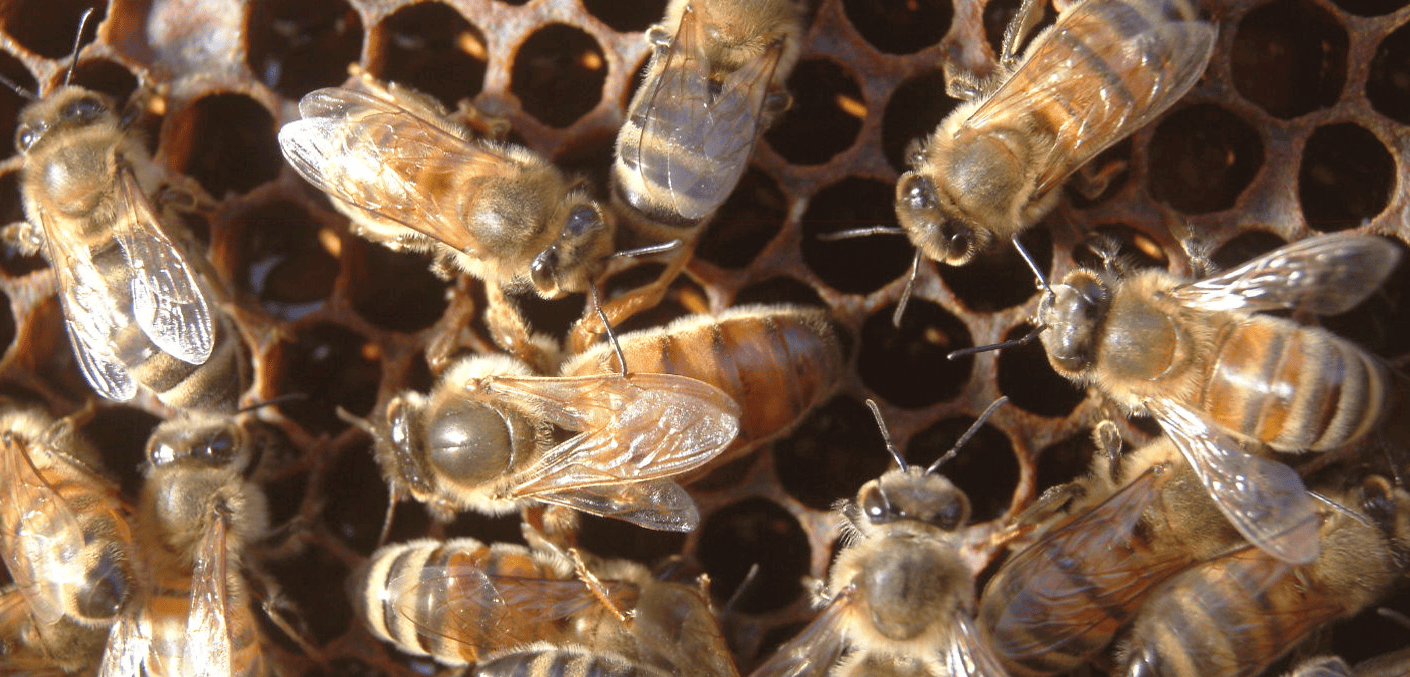
Our Mission
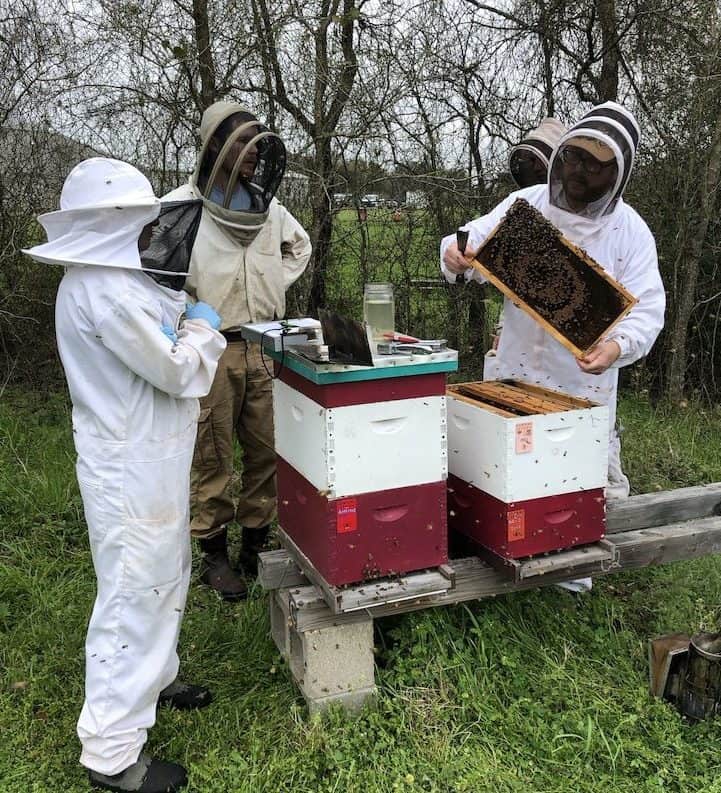
Bee Informed Partnership Inc (BIP) is a national 501(c)(3) nonprofit organization that strives to improve honey bee health through data-driven research in collaboration with beekeepers.
BIP uses science-based, data-driven approaches to improve the health and long-term sustainability of honey bees (Apis mellifera), other plant pollinators and the ecosystems upon which they depend.
The Bee Informed Partnership is dedicated to working with beekeepers to improve colony health and increase colony survivorship. We provide relevant, timely data that helps beekeepers make informed management decisions. Beekeepers of all sides of the industry, from large scale to small scale benefit from our work.
We gather survey data from thousands of beekeepers every year and collect more than 10,000 field samples each season to understand how different management practices, forage, pests, diseases, nutrition and other environmental factors affect honey bee health. These findings are then reported back to you. We provide educational resources and information to the public and beekeepers on the importance of honey bees for our food supply and issues impacting honey bee health. You can browse our data by visiting our popular Research Portal.
You can read more about the services we provide, such as our our diagnostic test kits or planning and conducting of large field trials. Head over to our Blog where you’ll read the latest reports from our Tech Team specialists, our diagnostic lab and our IT team. Find out how you can contribute to citizen science through Sentinel and other programs.
Our organization is built on a coalition of researchers, advisors, and stakeholders from various sides of the industry that rely on honey bees for pollination and honey production. We collaborate with both domestic and international initiatives to make the greatest impact and to work with our partners across the globe. We are a 501(c)(3) non profit, The Bee Informed Partnership, Inc.SM
Recent Posts
Committing to Keeping Better Records
When I first started beekeeping with just two colonies, it was easy to remember what went on in my hives from week to week and month to month. That was years ago, and to this day, I still remember both colonies surviving the winter only to die suddenly in the spring. And I still recall…
Lessons From Riding Shotgun in the Bee Truck
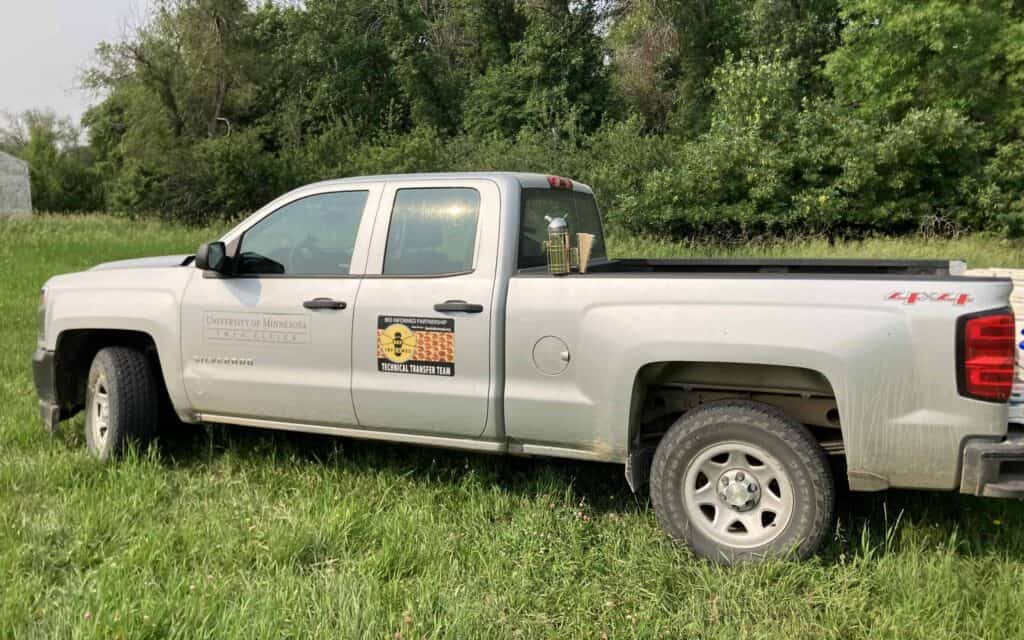
As a new field specialist for the South Central region, I have the opportunity to soak up wisdom and advice from beekeepers, their crew, and my fellow BIP field specialists on the Tech Transfer Team (TTT). And you betcha when I say I tried to make myself the largest and most spongy of (Swedish) sponges.…
Why I Keep Going Back
I used to be a regular attendee of my local area’s annual garden show. I enjoyed listening to the speakers they had scheduled each year, and I always kept a notepad and pen handy to jot down new plant varieties I had just learned about or some gardening tip I didn’t want to forget. After…